
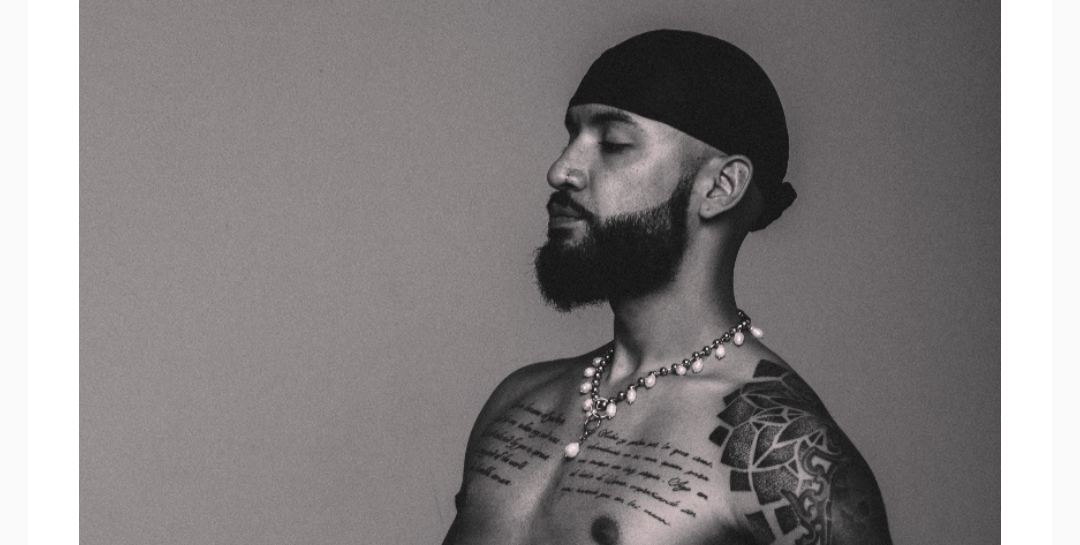
While much of urban music continues to reinforce the same idea of masculinity, NUP decided to do the exact opposite. The Colombian producer, composer, and creative has made masculine sensitivity, aesthetics, and vulnerability the core of an artistic vision that now connects music, fashion, and personal narrative from a deeply intimate place.
Although his name is already circulating in some of the most important spaces of Latin music, with sessions and projects linked to artists like Shakira, Ricky Martin, J Balvin, Ryan Castro, Beéle, and Nicky Nicole, his true quest seems to go far beyond hits: to build an artistic identity capable of questioning the traditional codes of the contemporary Latin man.
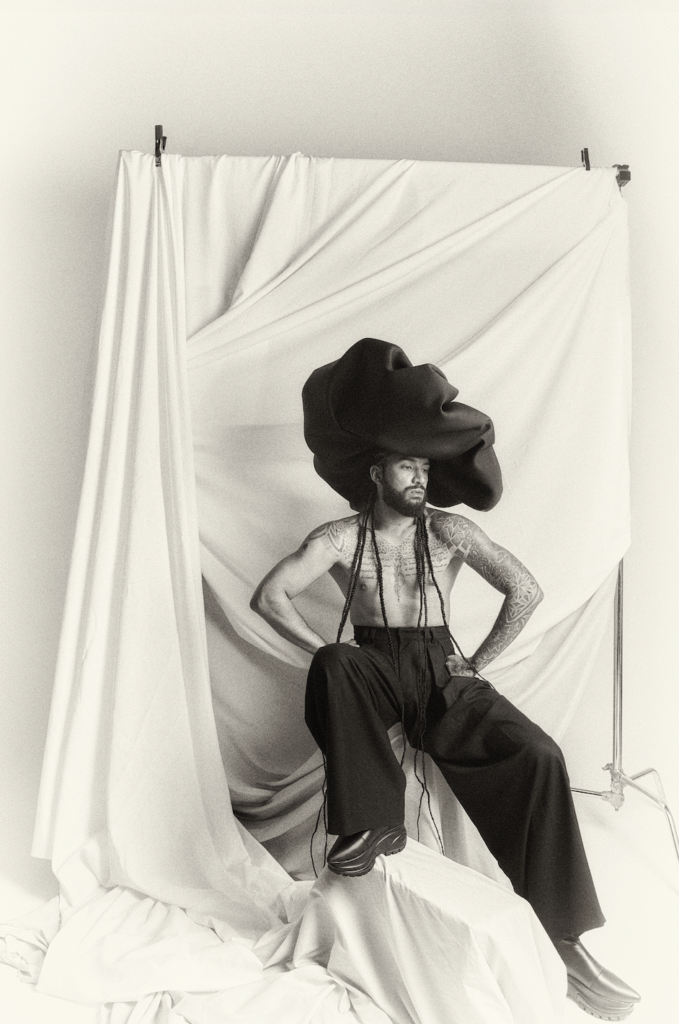
“With music, I’ve often had to follow rules because I’m working toward the dreams and vision of other artists. But with fashion, I’ve been much freer than I actually am,” NUP says.
NUP’s story didn’t begin on a runway or in a luxury studio. It began among mountains, symphony orchestras, and coffee plantations. Before becoming a producer, Alejandro, his real name, spent much of his childhood studying classical music, playing trumpet for almost ten years, and growing up surrounded by artistic discipline and working the land alongside his grandparents.
But while Medellín was transforming into the global capital of reggaeton, he still felt lost: “I had years where I felt completely unfocused,” he recalls. “I saw everyone around me growing in music, and I was still terrified to take action.”
That fear ultimately led him far from Colombia. After quitting his job with Reykon, he traveled alone to New York with the idea of studying music production. However, the plan quickly fell apart: he couldn’t find stability, surviving by working in restaurants, washing cars, and loading trucks in the winter, sleeping wherever he could between New Jersey and Manhattan.
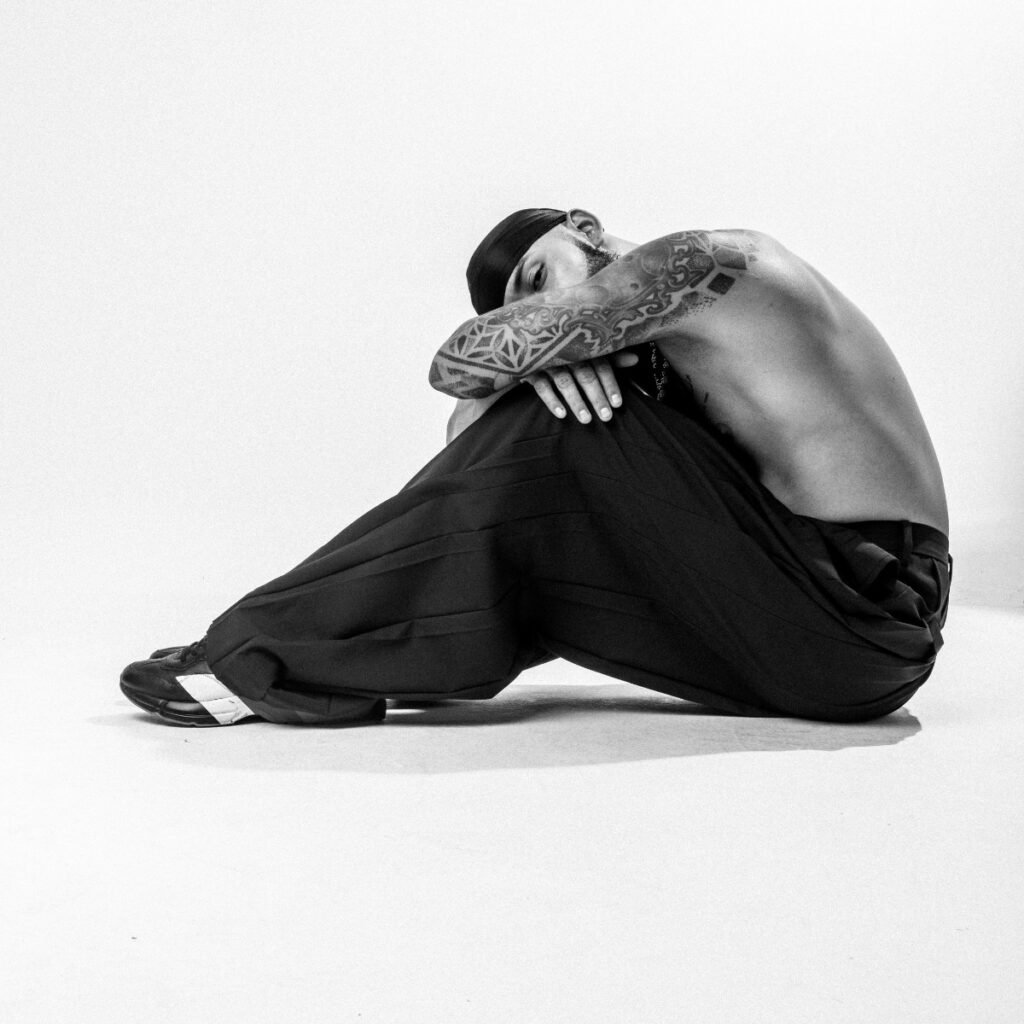
It was in the midst of a historic snowstorm, locked inside for weeks with an old computer and two batteries, that it all truly began.
“That’s where I learned to make music,” he says. “I read books during the day, and at night, when the power went out, I lit candles and made beats until the computer shut down.”
Years later, back in Medellín, NUP began to closely absorb the workings of the music industry thanks to figures like Sky Rompiendo, whom he describes as one of the most important people in his creative development.
“I was the quiet one sitting next to him, absorbing information,” he recalls about that time when he observed sessions, trips, and international creative processes without saying much, but learning everything. However, while music brought him closer to success, fashion began to become his more personal space.
Not from superficial luxury or the classic idea of the fashion business, but from the possibility of questioning traditional masculinity through aesthetics.
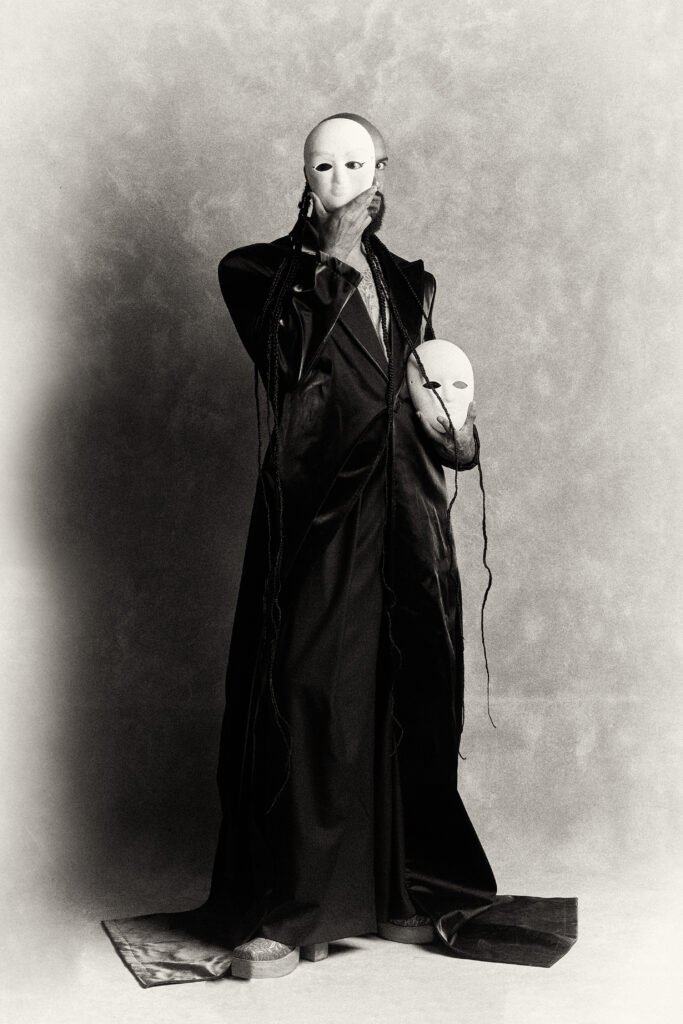
“One of my biggest criticisms of clothing is that a heterosexual man can look feminine without it being seen as weak,” he states. “Sensitivity has nothing to do with a lack of strength or leadership.”
Far from trying to fit into labels like designer or model, NUP understands fashion as a tool for emotional expression and masculine deconstruction.
“I feel that clothing has allowed me to be more irreverent, more rebellious, and to transgress certain boundaries,” he explains. “Fashion has been much more mine.”
This duality between music and aesthetics is precisely what defines his creative universe today: an artist who can go from working on sessions linked to major figures in Latin music to questioning, through a silhouette or a garment, what it means to be a man in this generation. And although much of the industry still knows him as a name behind the scenes, NUP is clear about where he wants to take his next stage.
 Carlos Passage